
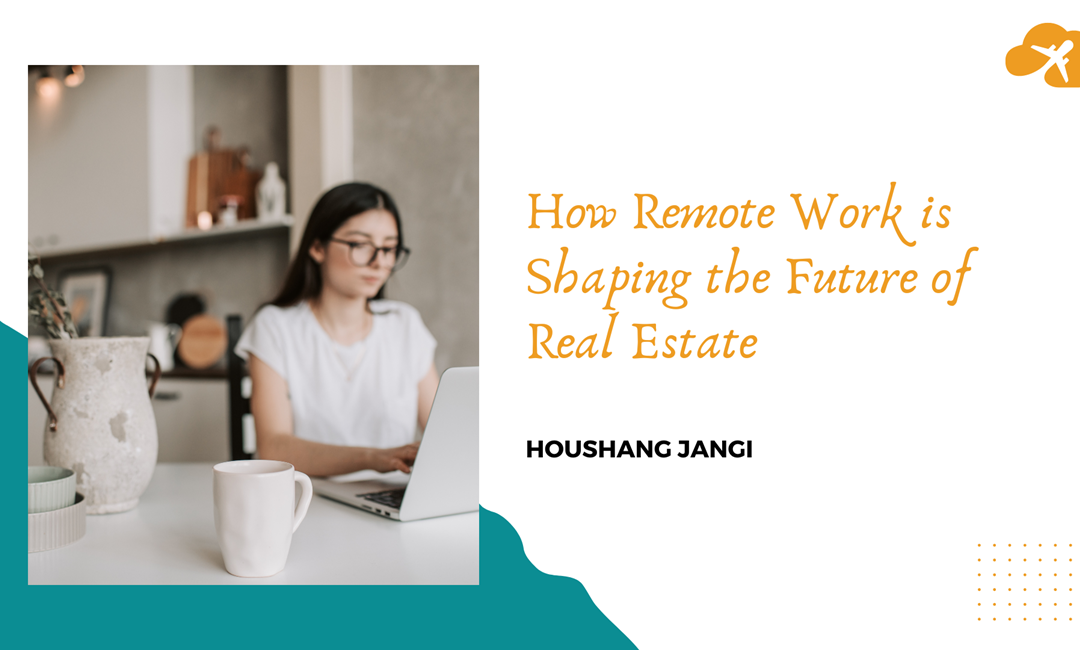
In the wake of the COVID-19 pandemic, remote work has become the new norm for millions of people around the world. As businesses adapt to this shift in work culture, the real estate industry is also undergoing significant changes. From the rise of home offices to the migration to suburban and rural areas, remote work is profoundly reshaping the future of real estate.
One of the most noticeable impacts of remote work on the real estate market is the increasing demand for homes with dedicated office spaces. With more people working from home full-time or part-time, the need for a quiet, comfortable, and functional workspace has become a top priority for homebuyers. As a result, properties with home offices, spare bedrooms, or bonus rooms that can be converted into workspaces are in high demand.
Additionally, remote work has sparked a migration from urban centers to suburban and rural areas as people seek out larger homes with more outdoor space and a lower cost of living. With the ability to work from anywhere, many workers opt for quieter, more spacious environments away from the hustle and bustle of city life. This trend has led to increased demand for single-family homes, townhouses, and rural properties with amenities such as home gyms, backyard gardens, and outdoor recreation areas.
Moreover, remote work has accelerated the adoption of flexible work arrangements and distributed teams, leading to a shift in office space demand. As companies embrace remote work policies and reduce their physical office footprint, there is less demand for traditional office space in urban centers. Instead, businesses opt for smaller, flexible office spaces in suburban areas or shared coworking spaces that offer more flexibility and cost savings.
Furthermore, remote work has opened up new opportunities for real estate investors and developers. With the rise of remote work, there is an increased demand for properties that cater to remote workers’ needs, such as high-speed internet access, flexible living spaces, and proximity to outdoor amenities. Investors are also eyeing opportunities in the short-term rental market as remote workers seek out vacation homes and Airbnb properties for extended stays and “workations.”
In conclusion, remote work is profoundly reshaping the future of real estate, from the rise of home offices to the migration to suburban and rural areas. As more people embrace remote work as a long-term lifestyle choice, the real estate market will continue to adapt to meet the changing needs of remote workers and distributed teams. Real estate professionals can position themselves for success in the remote work revolution by understanding these trends and embracing the opportunities they present.